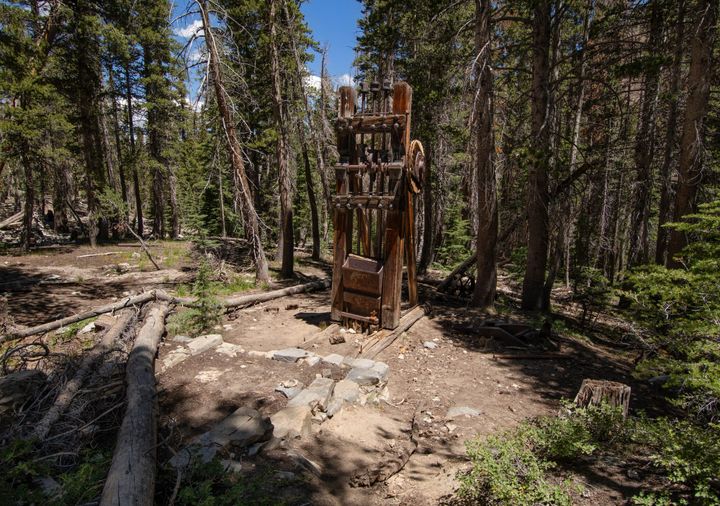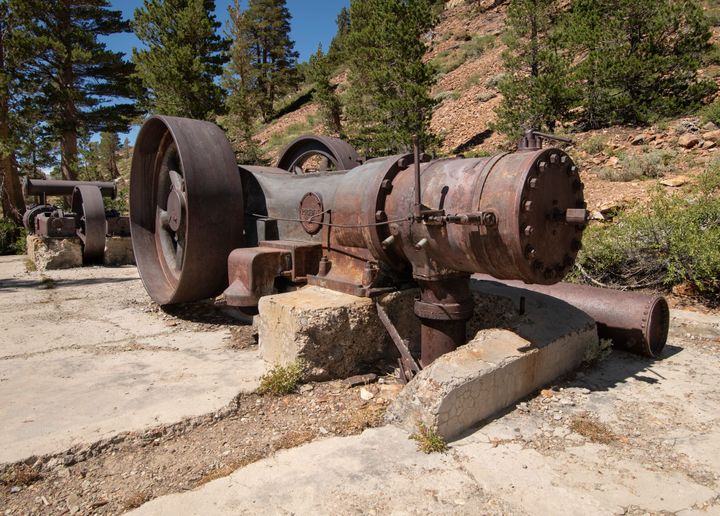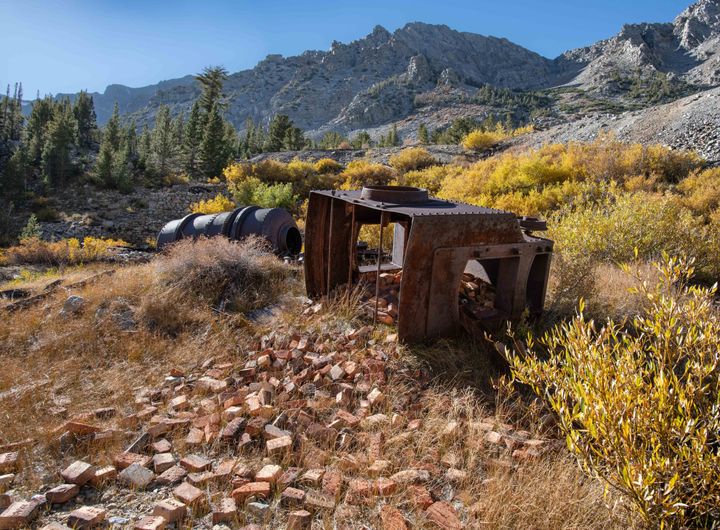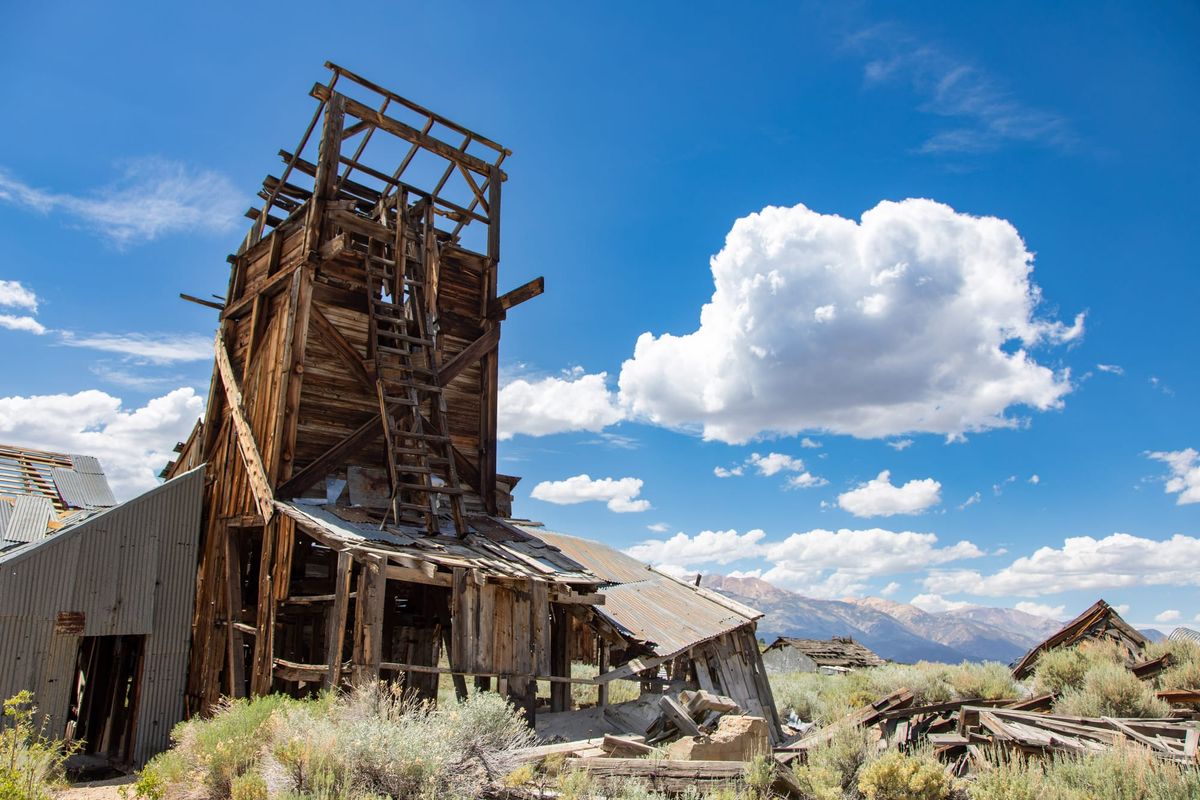
The Chemung Mine tells two stories, and neither one ends well. The first is about phenomenally rich gold ore that someone discovered in 1909 – ore so valuable it ran "several hundred dollars per ton" in an era when that meant real money. The second story is about a mining operation that officially recorded only $60,000 in total production over nearly three decades of operation. Either someone was cooking the books, high-grading the best ore for themselves, or they spent far more developing this remote site than they ever pulled out of the ground – possibly all three.
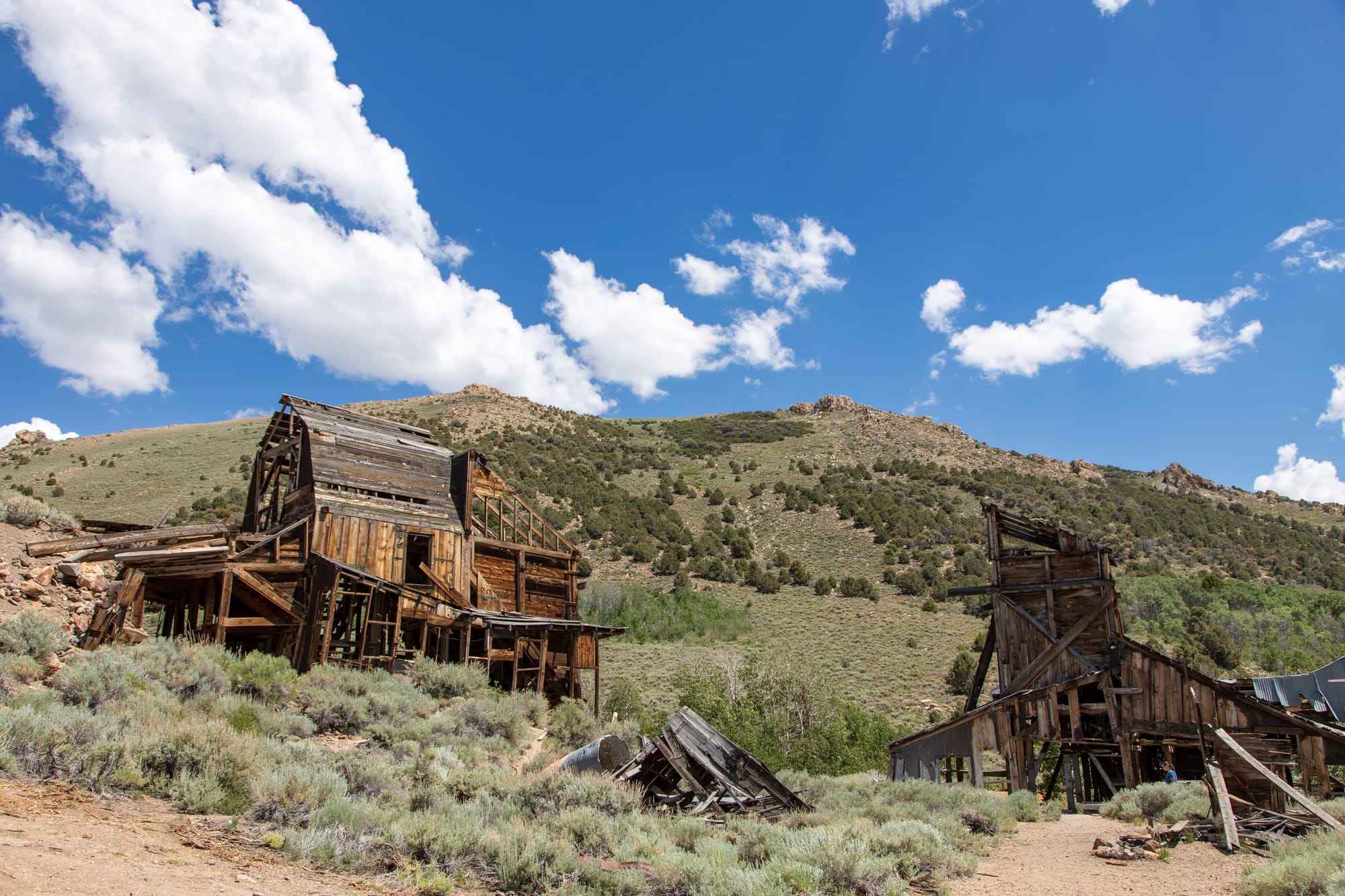
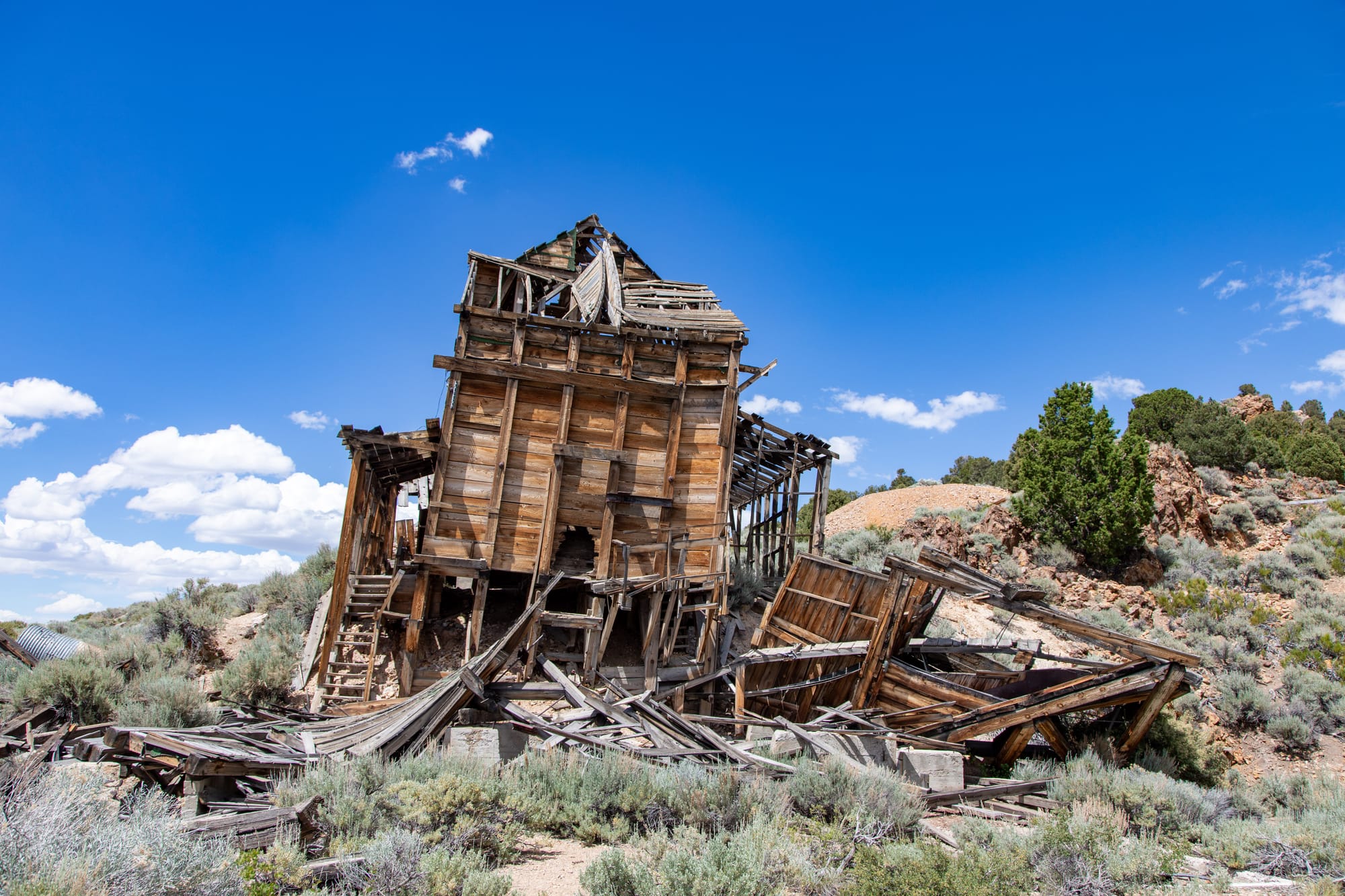
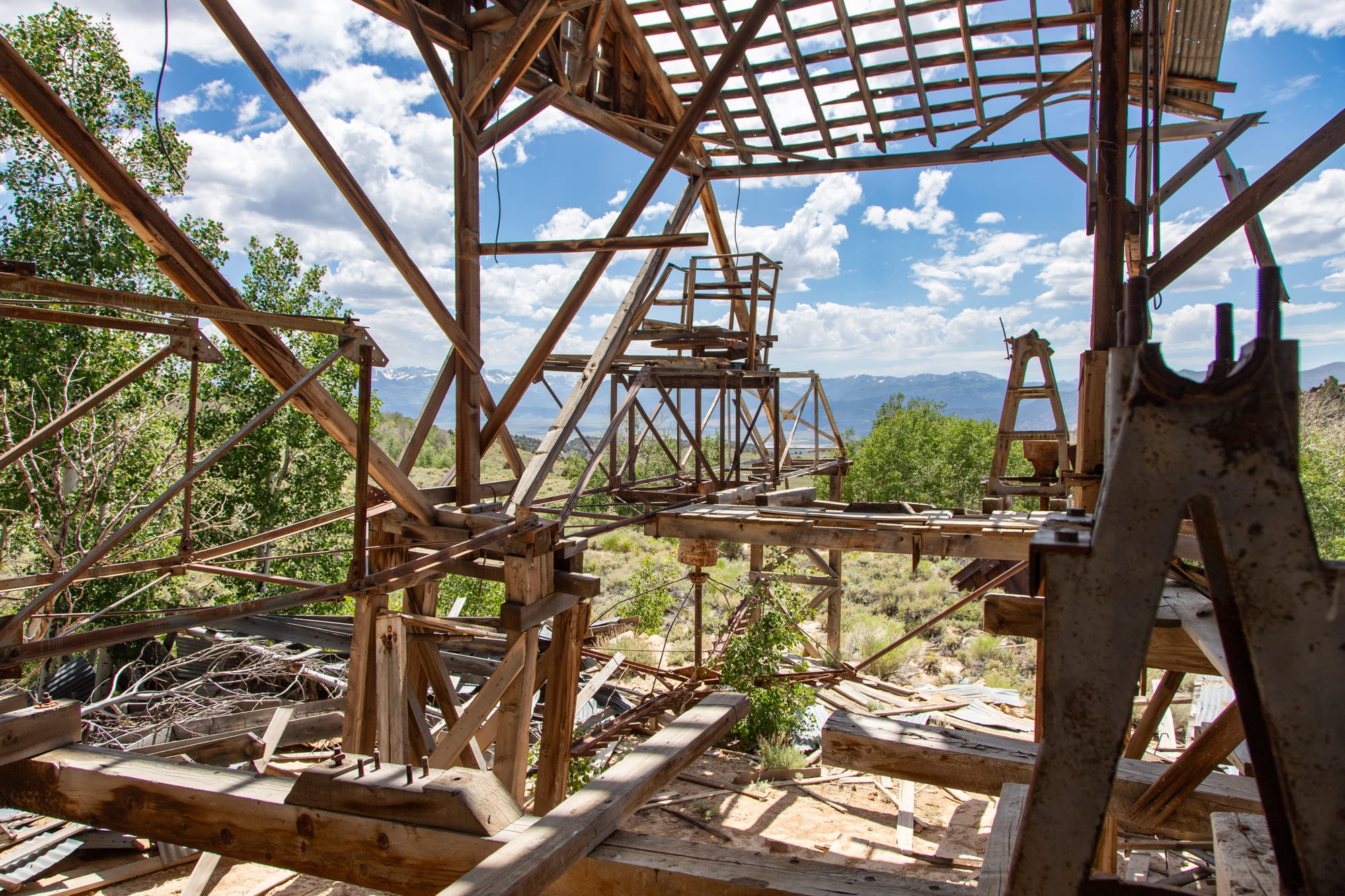
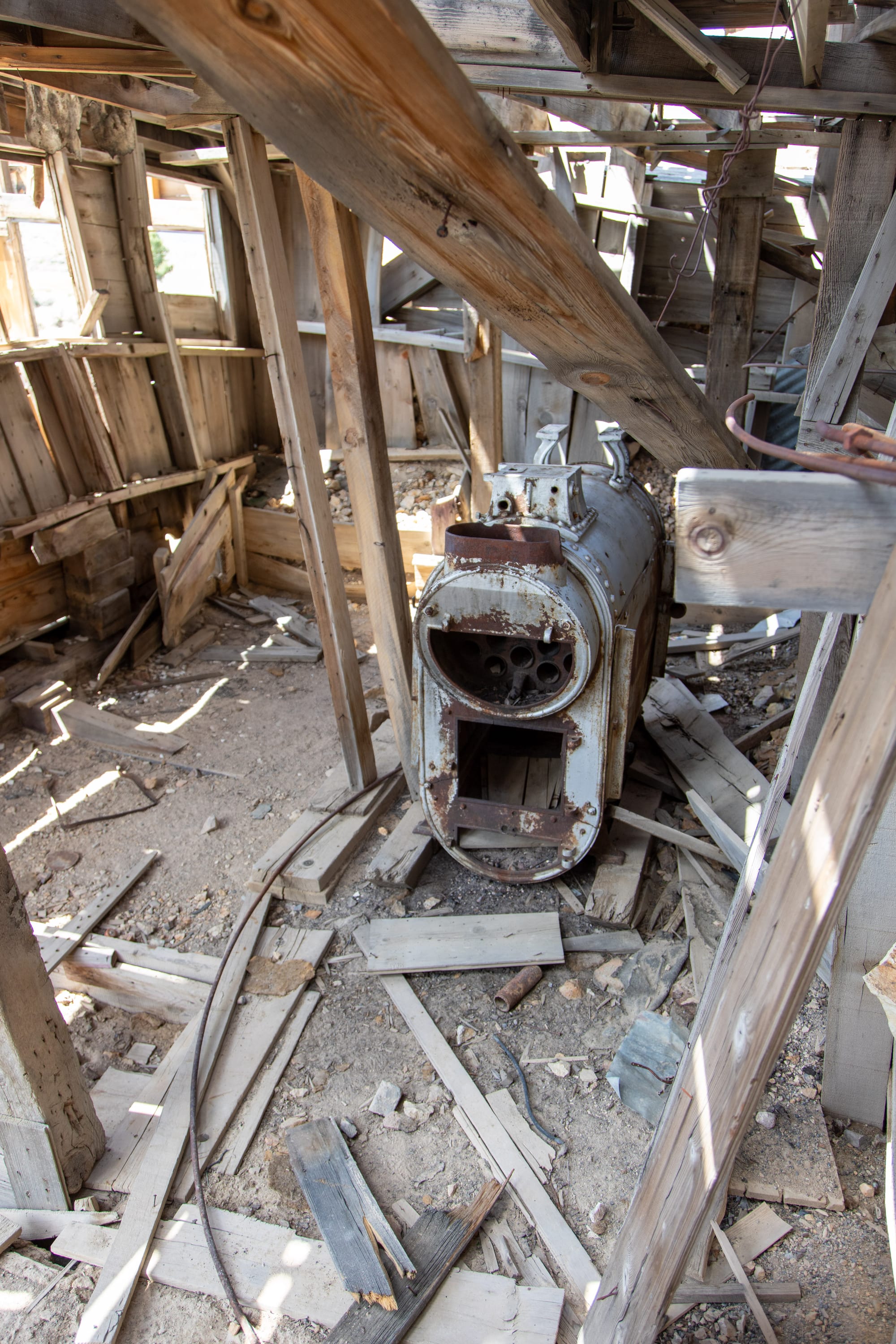
What you'll find today makes the mystery more intriguing. Two substantial mill buildings dominate the site. Both structures were built to withstand harsh winters at 8,300 feet and designed for year-round operation. The smaller mill represents the original 1922 five-stamp operation, while the larger mill housed the sophisticated 1937 processing equipment. This wasn't some fly-by-night prospect. Two separate operations invested serious money in substantial structures over fifteen years, yet both mills now stand empty of equipment. The buildings are falling apart from decades of target practice, scavenging, and harsh mountain weather, with at least one structure having completely collapsed.
History
The Masonic Mining District earned its name from early prospectors who were Masons from Aurora, Nevada, just over the state line. Though gold seekers found worthwhile ore in this region as early as the 1860s, significant mining didn't begin until Joseph Green claimed the Jump Up Joe Mine in 1902. The most successful operation was the Pittsburg-Liberty Mine, staked by J.S. Phillips and partners from Pennsylvania on July 4, 1902.
The Chemung discovery came seven years later, in 1909, about 2.5 miles southeast of the town of Masonic. The vein struck northeast-southwest through andesite bedrock, and early reports described "phenomenally rich gold ore" that created immediate excitement. By 1918, the Masonic Mines Association had consolidated about 4,500 feet along the length of the Chemung vein.
The mine had a checkered early career due to litigation between owners, lessees, and sub-lessees. By 1922, a new regime headed by J. Sub Johnson of Visalia took charge with plans for systematic development. They sank a vertical shaft to 200 feet with drifts on the 50, 100, and 200-foot levels, and constructed a five-stamp mill - the smaller mill structure visible today. Several shipments of high-grade ore were made, but transportation costs from this remote location proved nearly prohibitive.
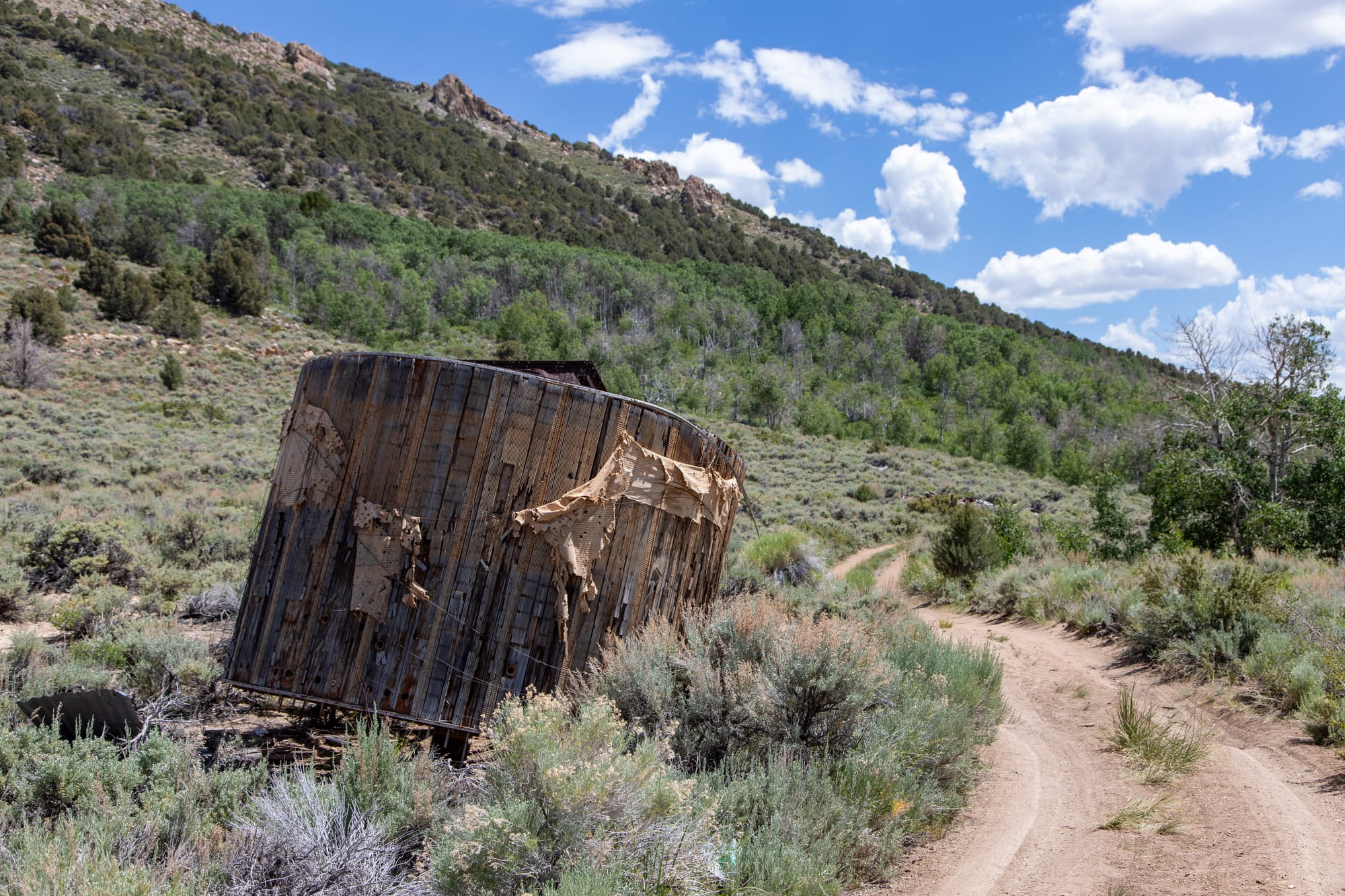
Fifteen years later, in 1937, lessee Conrad G. Munro built a much more sophisticated milling operation with impressive processing equipment that included a jaw crusher, elevator, ball mill, and complex classification system capable of processing 20 tons per day. A semi-diesel engine powered the mill, while a separate gas engine ran the crusher and mine pump. Water came from a spring 600 feet south of the mill. By April 1937, twenty men were employed building the camp and mill.
Operations ceased in late 1937 or early 1938, ending the mine's commercial life. Through the 1950s and 1960s, however, a lone prospector named Elton "Heinie" Heinemeyer worked the tunnels, scratching out just enough gold to get by but never hitting the big strike. Today both mill buildings stand empty, stripped of all their original equipment. The substantial mill structures suggest the operators intended serious, long-term production, but the recorded output of only $60,000 total makes you wonder if someone confused the expense column with the revenue column.
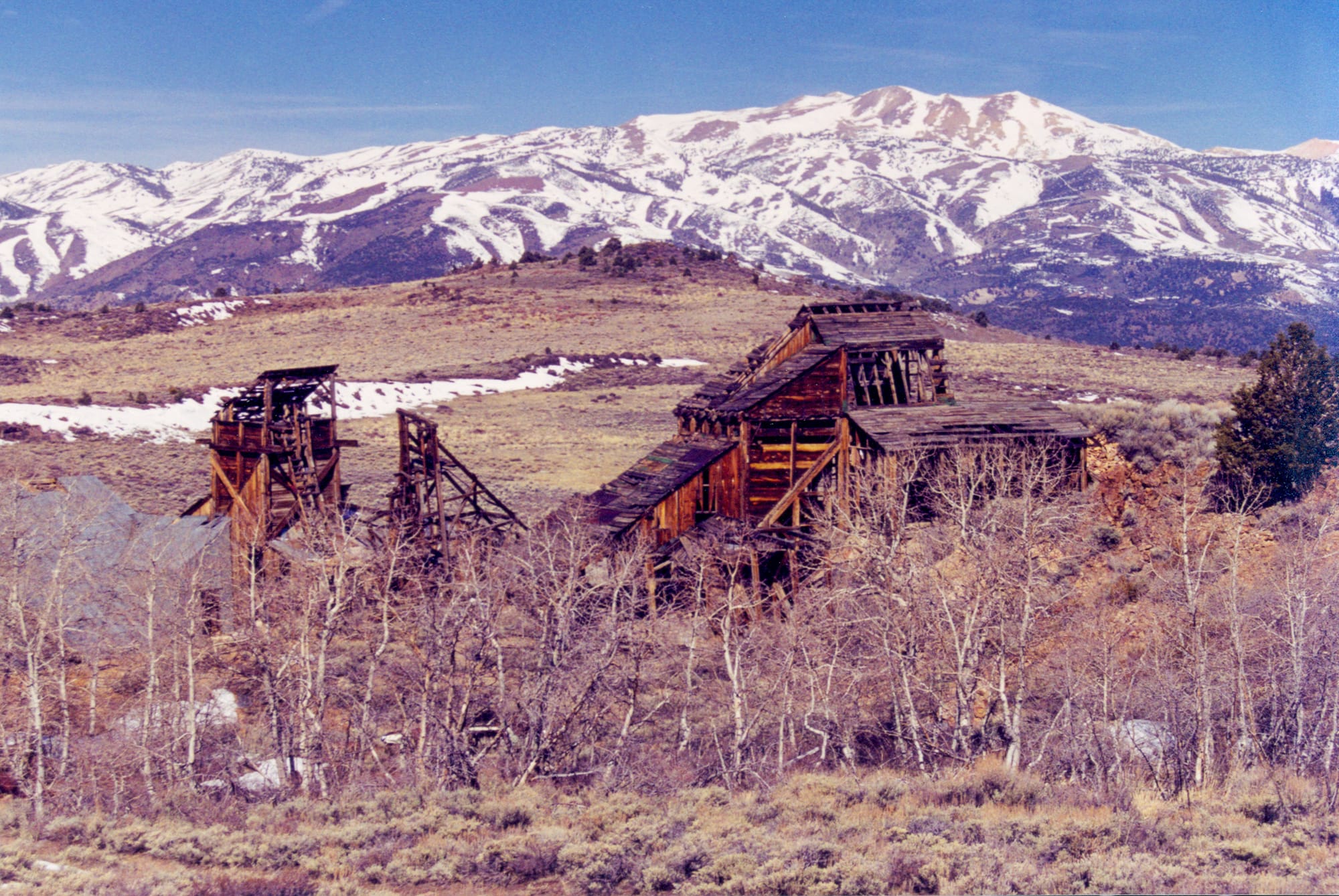
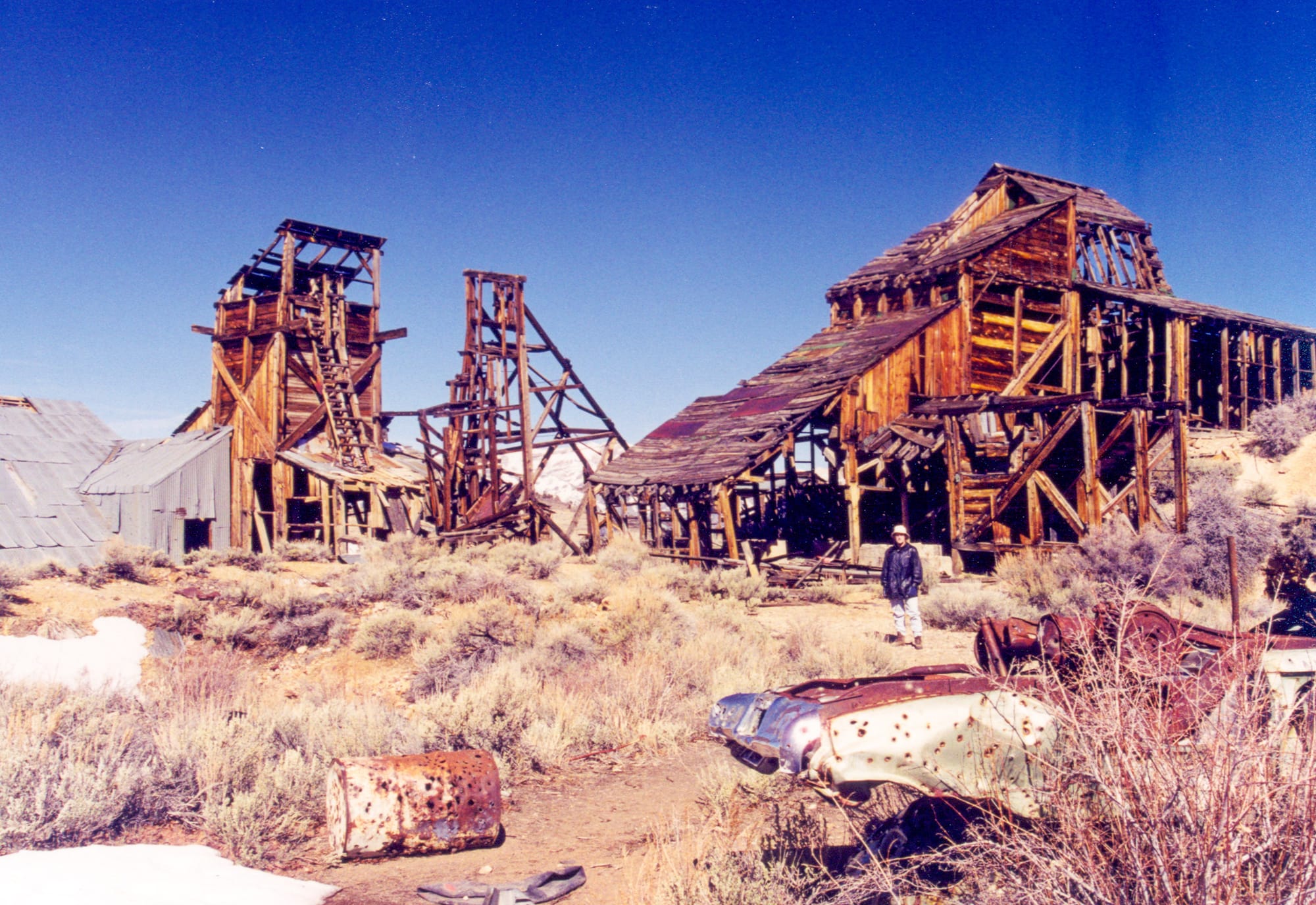
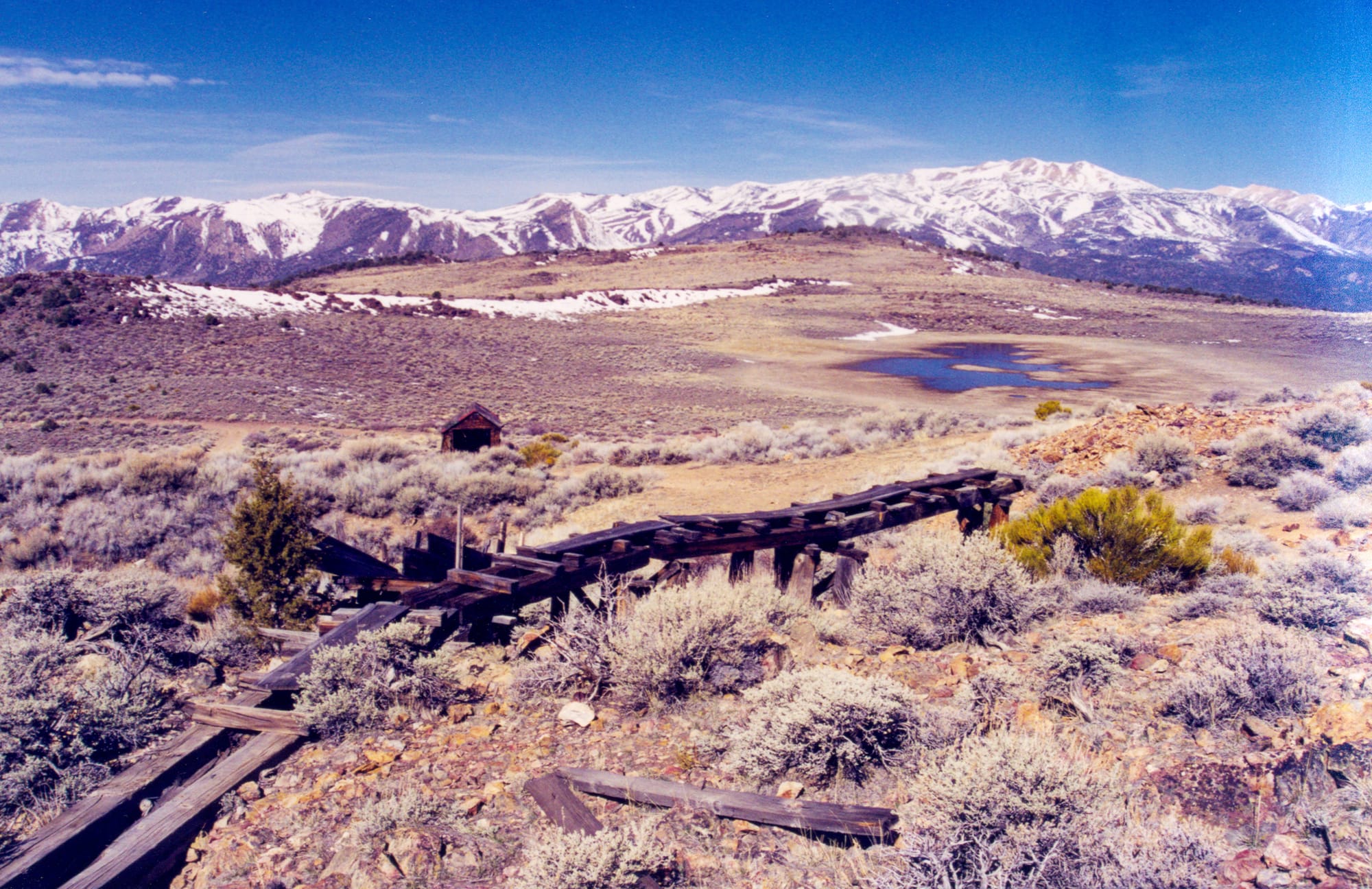
Old photos of the mine camp