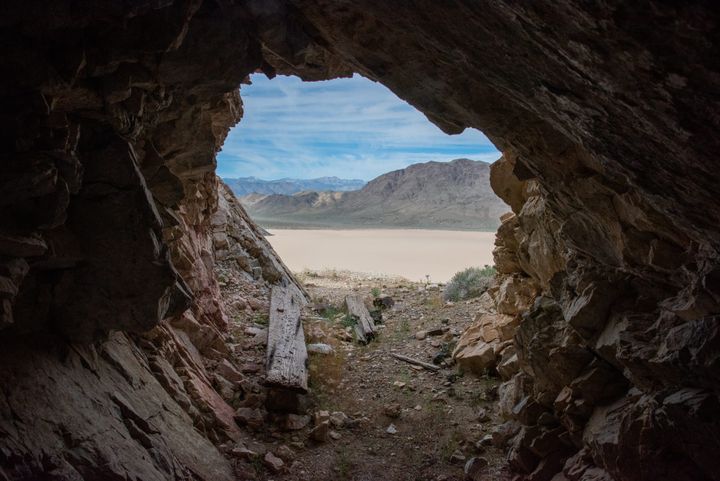
Prospector Johnny Sheridan lived in a cave with skunks and chuckwallas while he roamed the southern end of the Resting Spring Range in 1922. He discovered borate deposits that year that would launch the Gerstley Mine, which in a short amount of time created a town and required its own railroad. Later, during the Cold War, the mine would even end up being used as a Civil Defense fallout shelter.
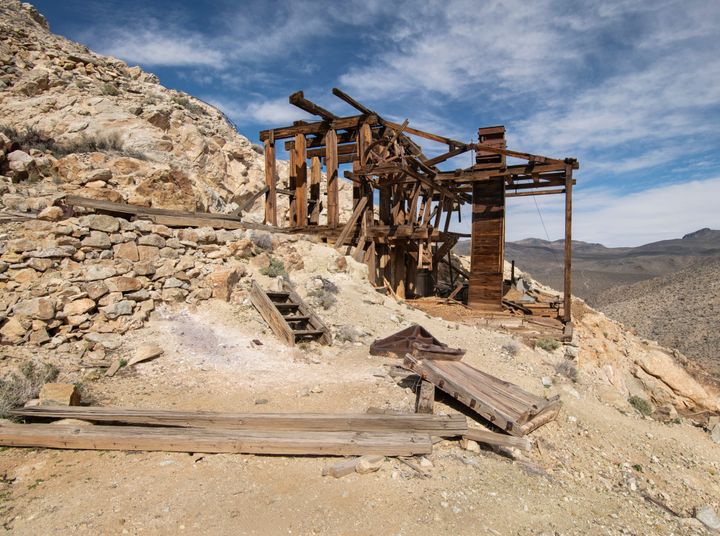
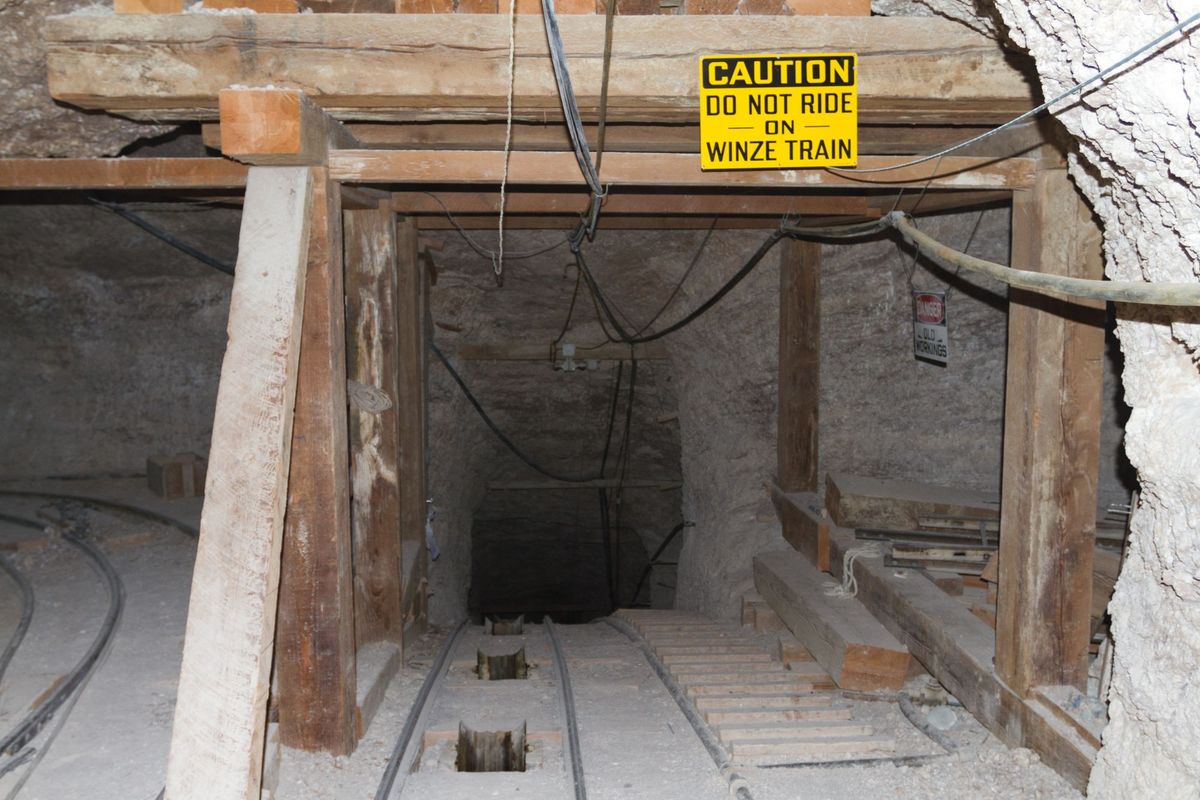
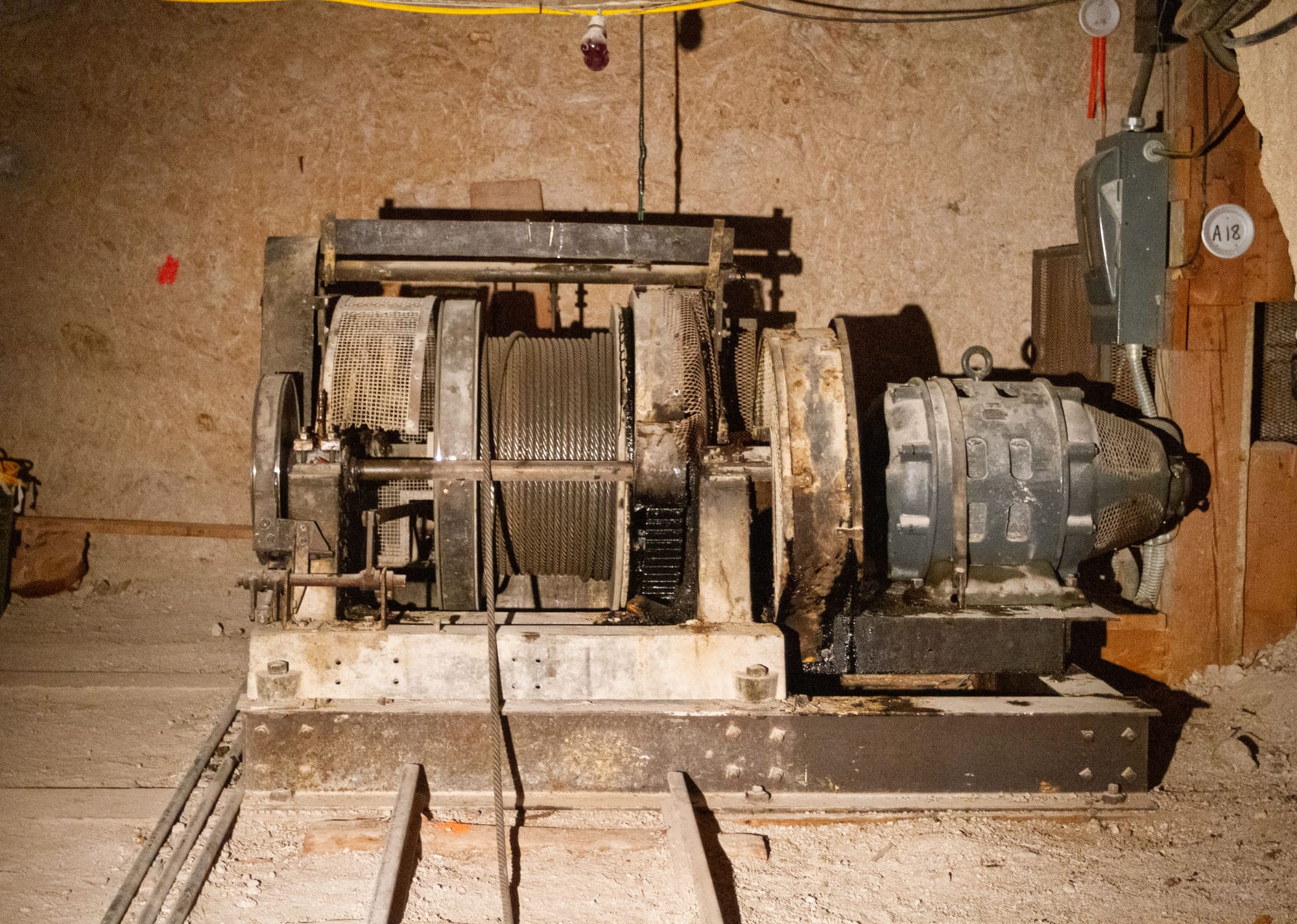
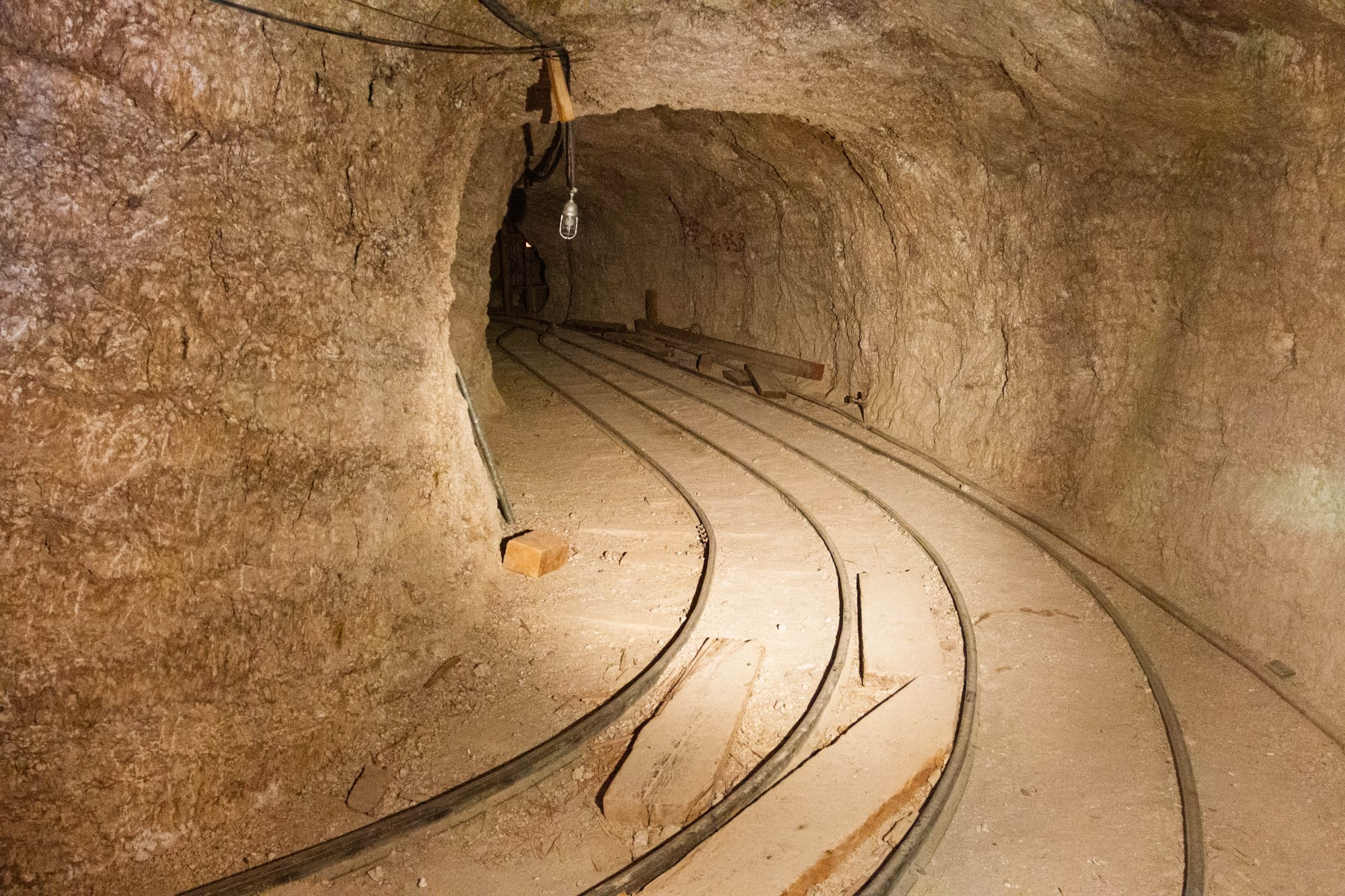
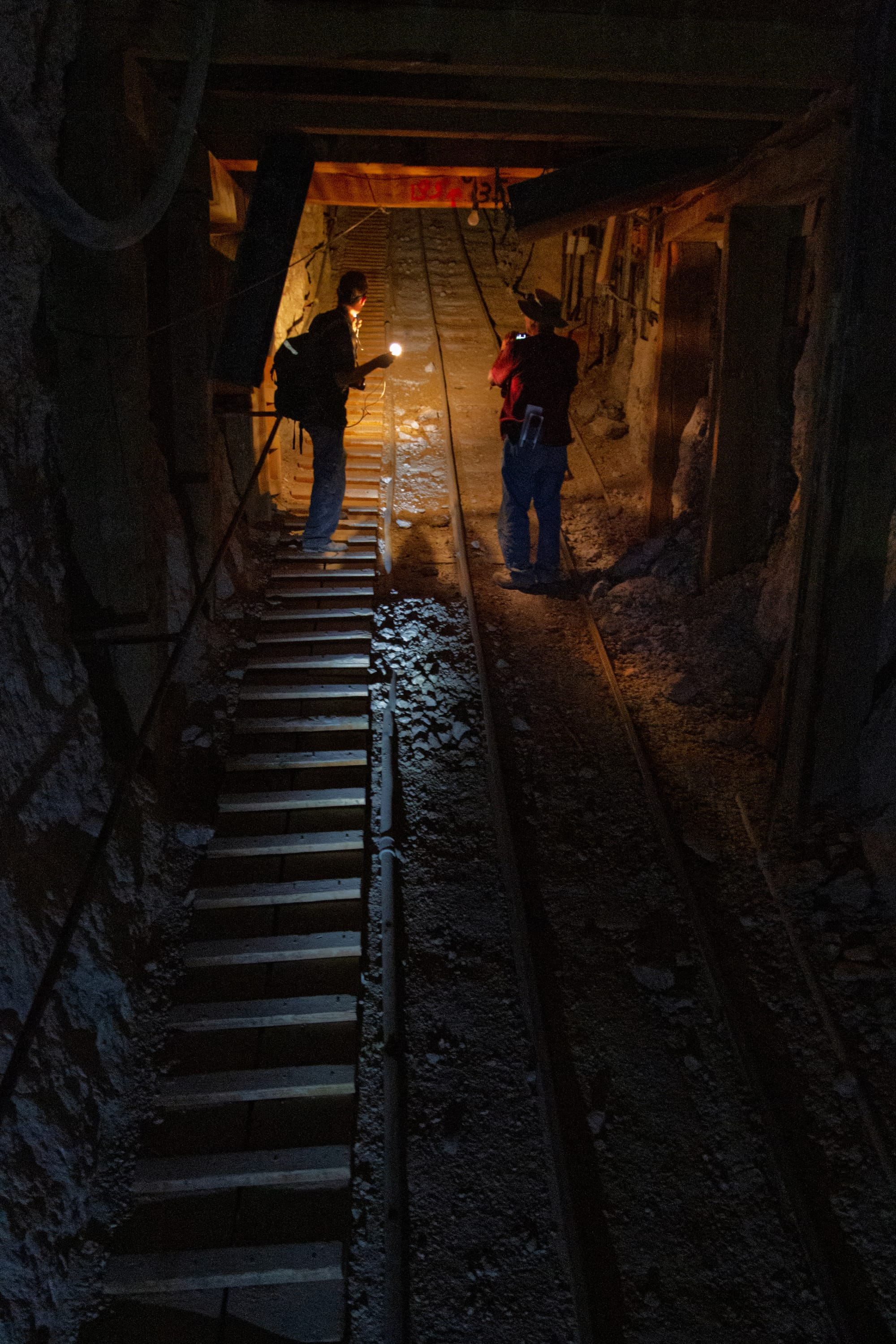
The mine is about six miles northeast of Shoshone in Inyo County. It is partly on private land and gated. Keys in hand, we visited over a decade ago. Buildings still stood and rails led into the portal. Inside the mine, we discovered an electric single drum hoist, along with slushers, air tanks, and other equipment. Some of the large stope rooms contained an amazing amount of cribbing supporting the roof, over 40 feet tall in places.
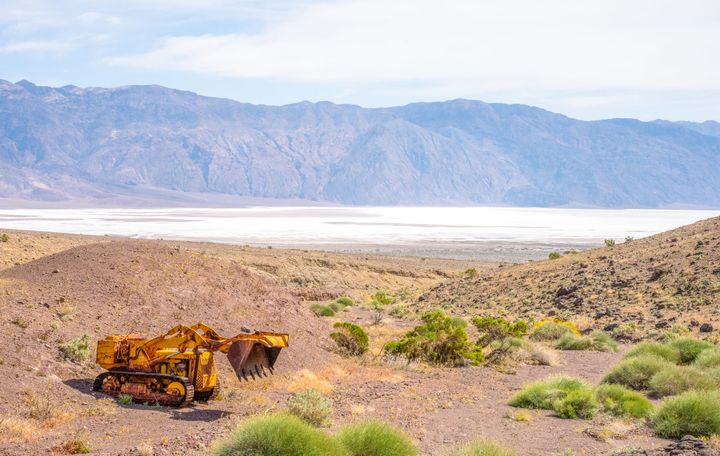
These days, the Gerstley Mine is mostly in ruins, its buildings removed and equipment destroyed. It's a cautionary tale about what happens when historic sites lack protection.
History
Sheridan sold his discovery to Clarence Rasor, a field engineer for the Pacific Coast Borax Company, and the company quickly developed what would become an important source of ulexite and colemanite. These minerals were used in everything from ceramic glazes to fire retardants. The deposit formed millions of years ago when ancient lake beds trapped and concentrated boron-rich waters in what geologists call a lacustrine borate deposit. These minerals accumulated in layers within the clay, mudstone, conglomerate, and shale that characterizes this part of the Resting Spring Range.
Pacific Coast Borax moved quickly after acquiring the property from Rasor. They constructed a three-mile narrow gauge railroad, what they called a "baby gauge" line, to connect the mine to the Tonopah & Tidewater Railroad. The T&T created a new siding called Gerstley. The name honored James M. Gerstley, an English-born executive who would become one of the most influential figures in the borax industry.
Gerstley started with Pacific Coast Borax as an assistant to the president in 1933 and rose to company president by 1950. In the late 1940s, he helped launch the "Death Valley Days" television show as a follow-up to the established radio program, using it to boost sales of packaged borax products. Gerstley fought off a takeover bid in the 1950s and engineered the merger of Pacific Coast Borax with U.S. Potash Company in 1956, forming U.S. Borax & Chemical Company. Under his leadership, the company converted the Boron underground mine, located in the Mojave Desert east of Mojave, California, to an open pit operation and built new facilities that became operational in 1957. That same year, a new mineral discovered at Boron was named gerstleyite in his honor. He retired as president in 1961 but remained on the board until 1972. The company he helped build would eventually become part of the mining giant Rio Tinto, which acquired U.S. Borax in 1968.
At the Gerstley Mine itself, the underground workings followed borate deposits as they dip about 25 degrees to the southeast. Miners extracted ore that averaged 85% colemanite and 15% ulexite, hauling it up from lower levels using a hoist system. The hoist pulled ore cars up inclined tracks from the deeper workings, a common method for mines that followed tilted ore bodies. At the Gerstley siding on the T&T Railroad, the track split to serve both an ore bin for loading and facilities for transferring supplies, especially water, which had to be hauled in for all mining operations.
The original operation closed in October 1927, just five short years after Sheridan's discovery. Pacific Coast Borax transferred the railroad equipment to their new operation at Boron, while some buildings were hauled to Furnace Creek where they became part of the new Furnace Creek Ranch tourist development. The company had found richer, more accessible deposits elsewhere. But the mine saw intermittent activity beyond 1927, as evidenced by some of the more modern equipment found in the workings.