The temperature inside is 42 degrees, even in July. Step inside Lava River Cave on a scorching Flagstaff summer day and you'll understand immediately why this is one of Arizona's most unusual natural features. On some visits, you'll find actual ice near the entrance, a remnant of winter preserved in the cave's constant chill while the desert bakes a few feet above your head.
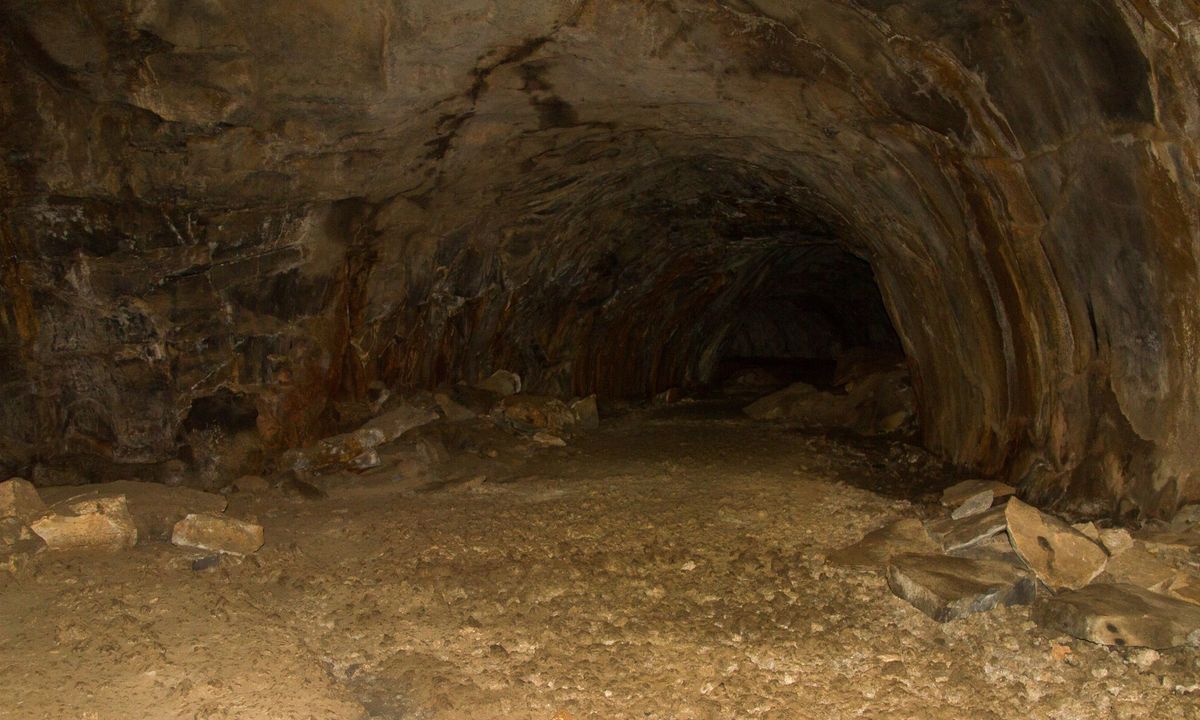
This mile-long lava tube formed roughly 700,000 years ago when molten basalt erupted from a volcanic vent in nearby Hart Prairie, part of the sprawling San Francisco volcanic field that produced Sunset Crater and the peaks visible from Flagstaff. As the top and sides of the lava river cooled and solidified, the molten interior kept flowing, eventually draining out to leave this hollow tube behind. The process is written in the rocks: wave-like ripples frozen in the floor mark the last trickle of molten rock, and stone icicles (lavacicles) hang from the ceiling where a final blast of volcanic heat caused the rock to partially re-liquefy and drip.
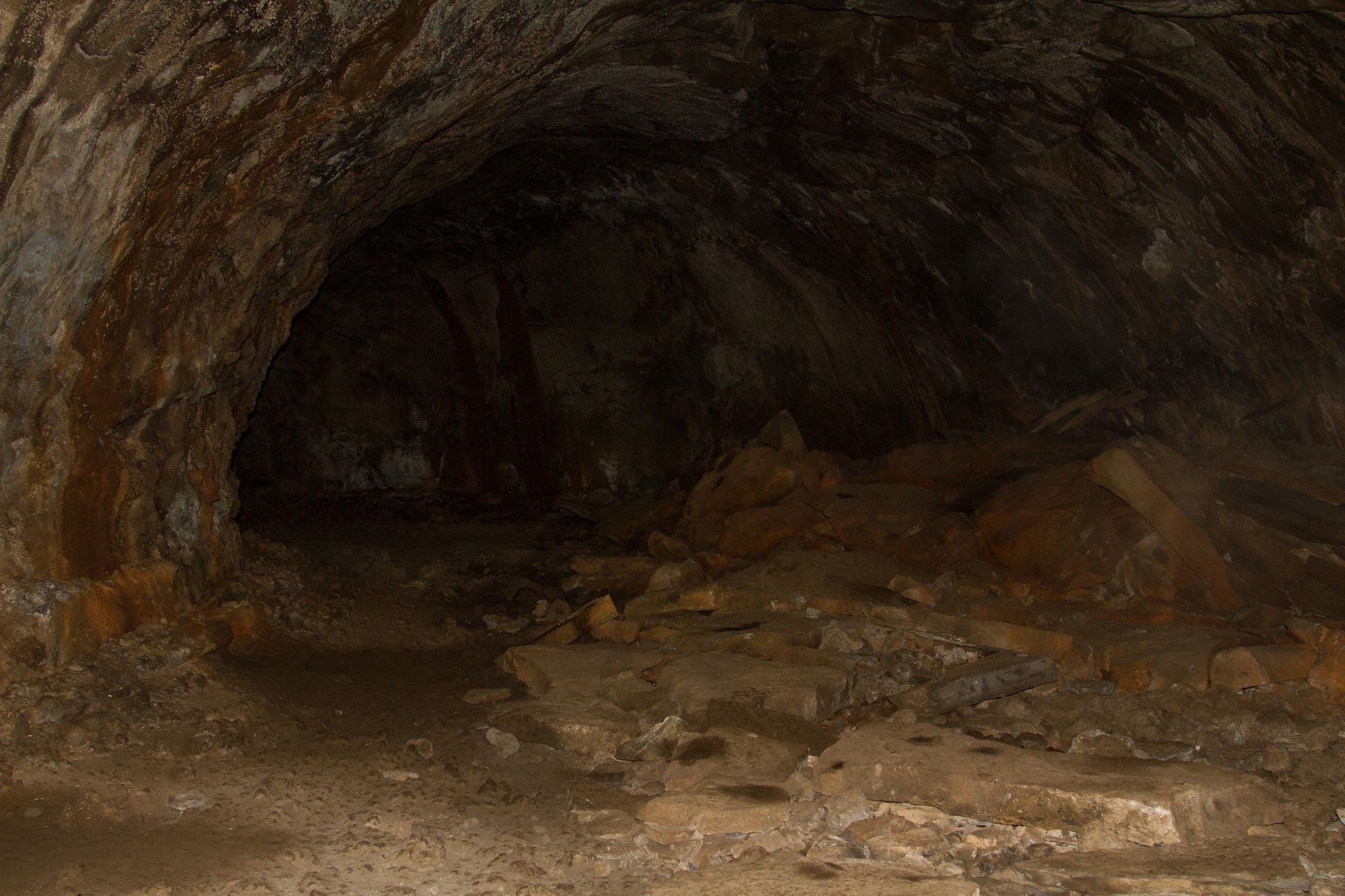
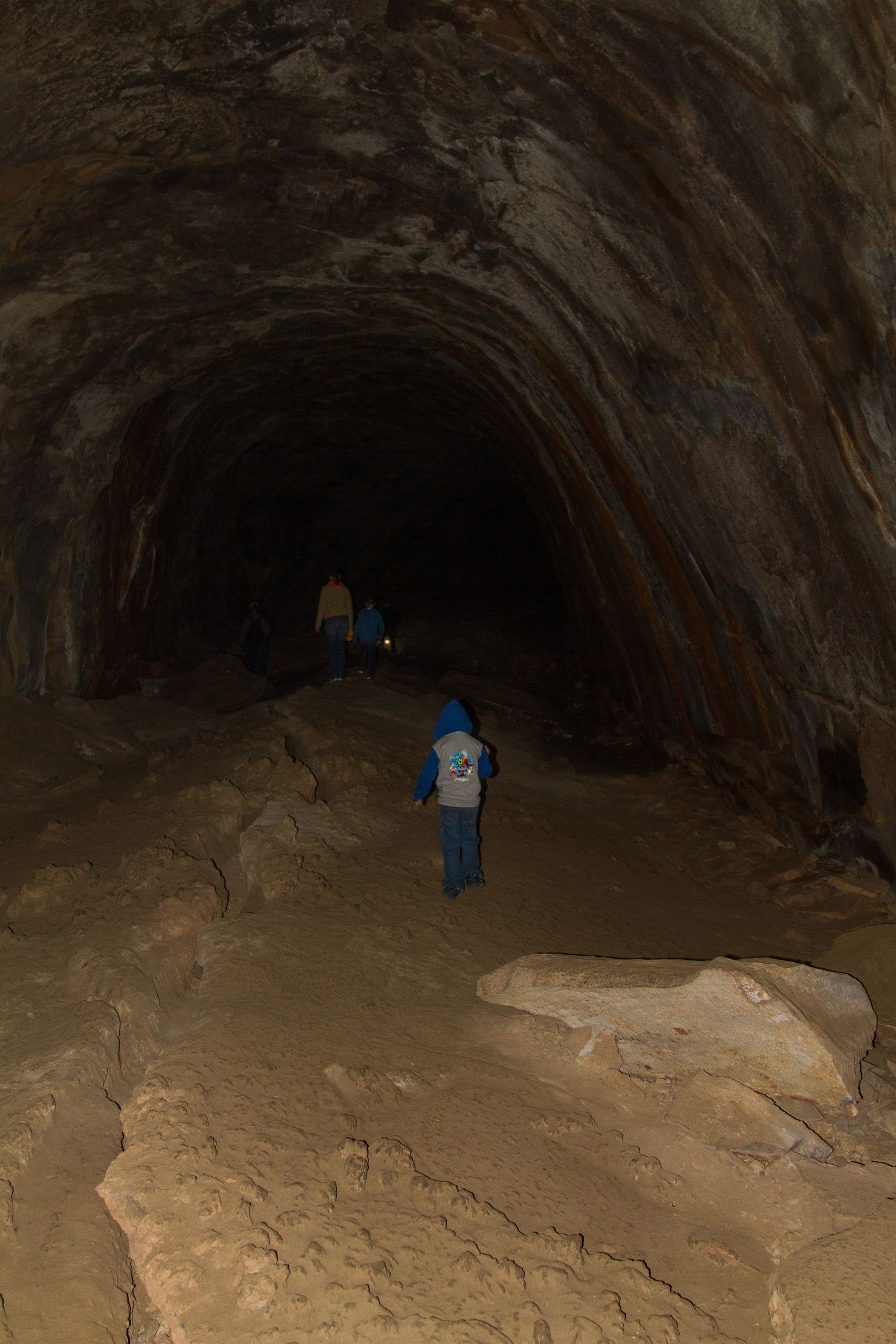
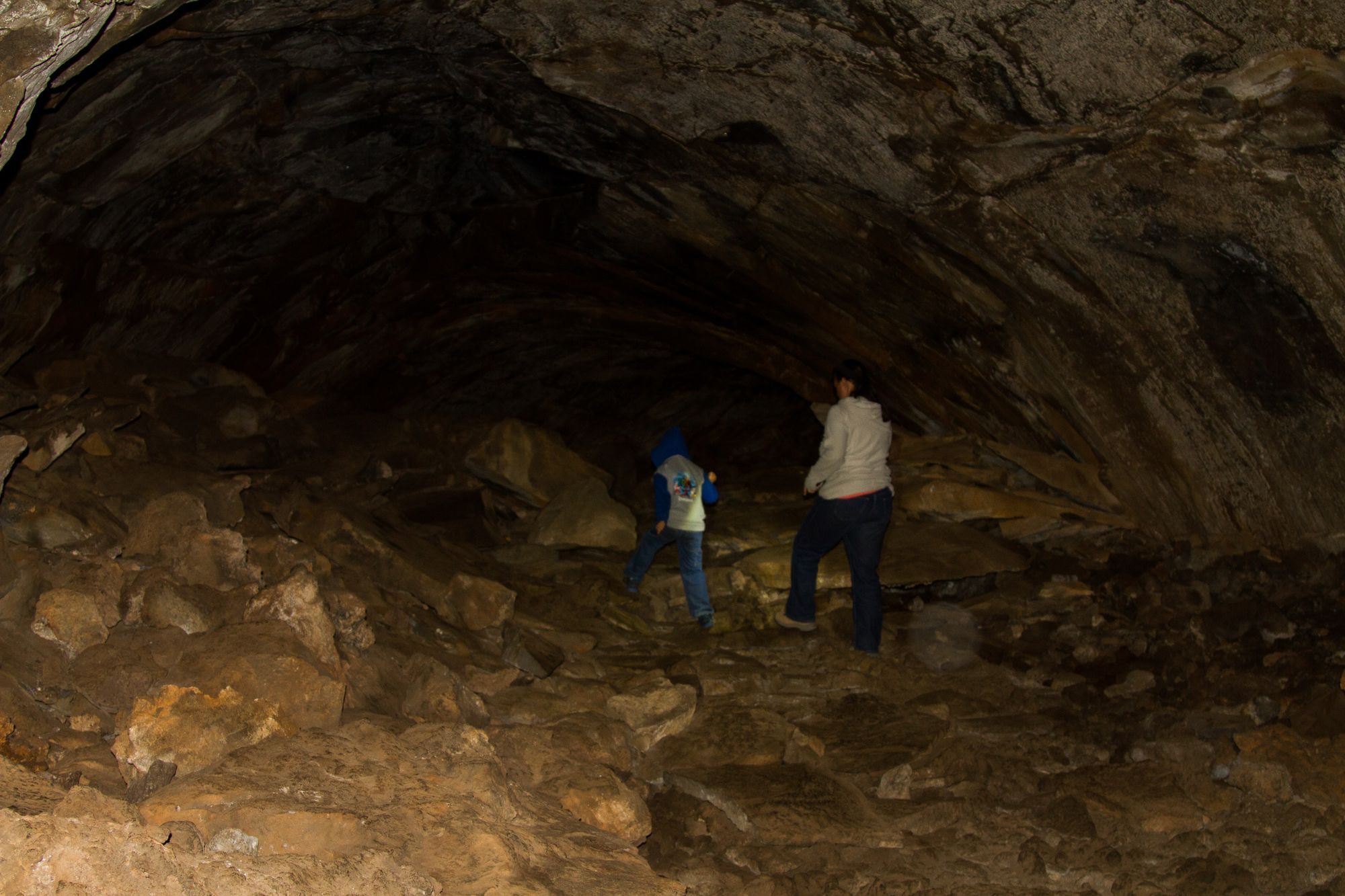
What makes this tube remarkable is its size. At some points, the ceiling arches more than 30 feet overhead, which is unusual in my experience. Most lava tubes feel cramped; this one has the scale of a subway tunnel. The tradeoff for that grandeur is darkness. One mile from the nearest light source, you'll understand the meaning of the word "black." Bring two or three light sources, because if one fails, you'll be feeling your way out.
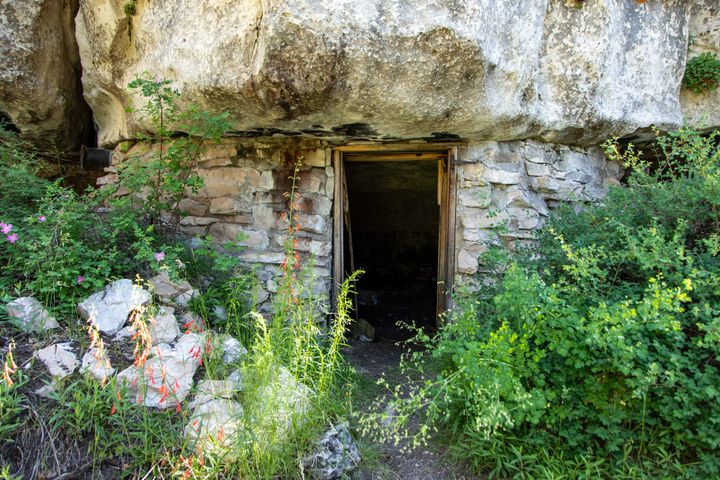
To enter, you'll have to scramble over rough breakdown boulders that have collapsed from the ceiling near the entrance. Once past this obstacle, the floor flattens and walking becomes easy. The cave is popular, especially on summer weekends, but still worth a visit. Come on a weekday or in the shoulder seasons if you prefer solitude.
Directions
Getting There
From downtown Flagstaff, AZ, drive 14.3 miles north on US 180 and turn left (west) onto Forest Road 245, where my GPS track starts.
The Road
Road: 4.4 miles, Graded dirt road
Graded dirt road FR 245 heads west for 3 miles to FR 171. Turn left (south) and continue 1.1 miles to make a left onto FR 171B, which is a short spur to the dirt parking lot for the lava tube. The Forest Services asks that you camp at least a mile from the cave entrance.
Map
GPS Waypoints
- Lava River Cave: 35.3423°, -111.8358°