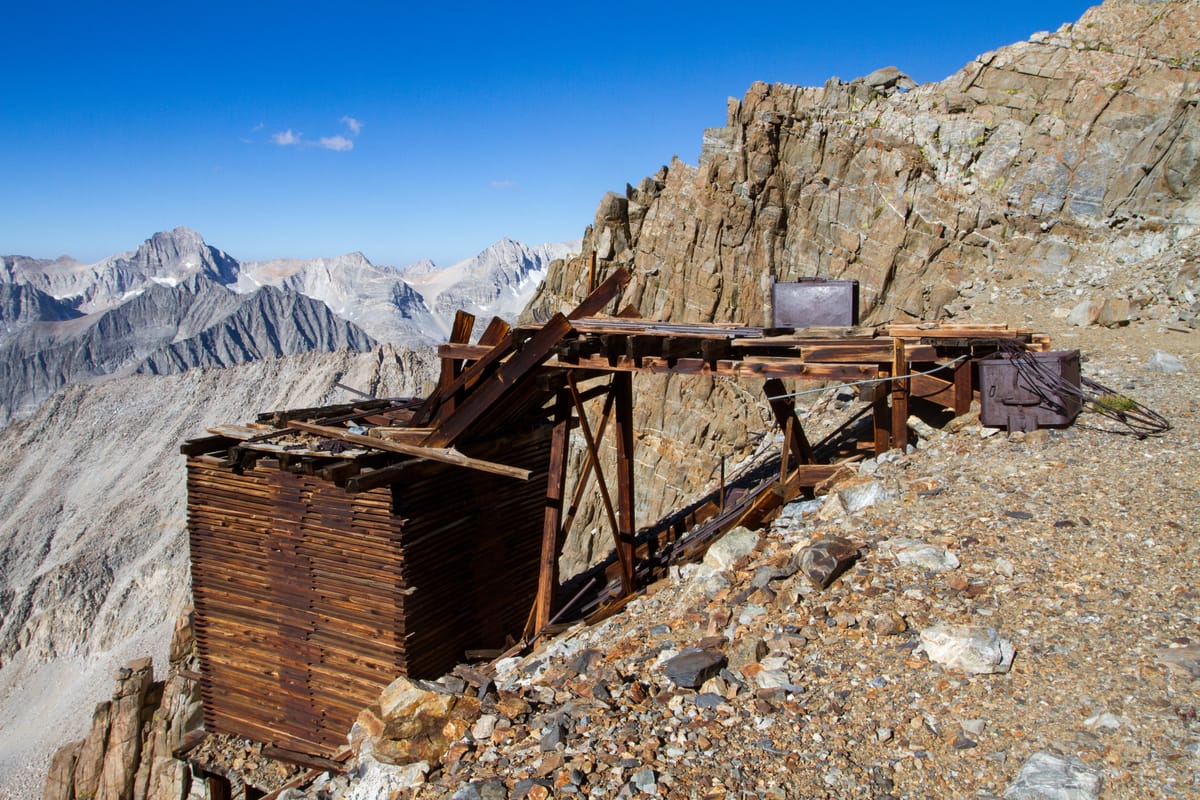
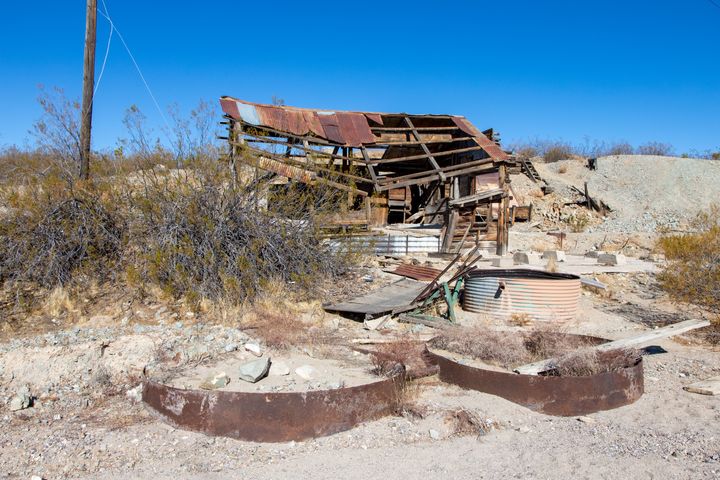
Virginia May Mine
The Virginia May Mine (also known as the Horn Mine) had been on my "To Do" list for years. It was never a high priority, but its remoteness called to me. Located in the southern Turtle Mountains of California, it is out in the middle of nowhere, and
Oakland Mine
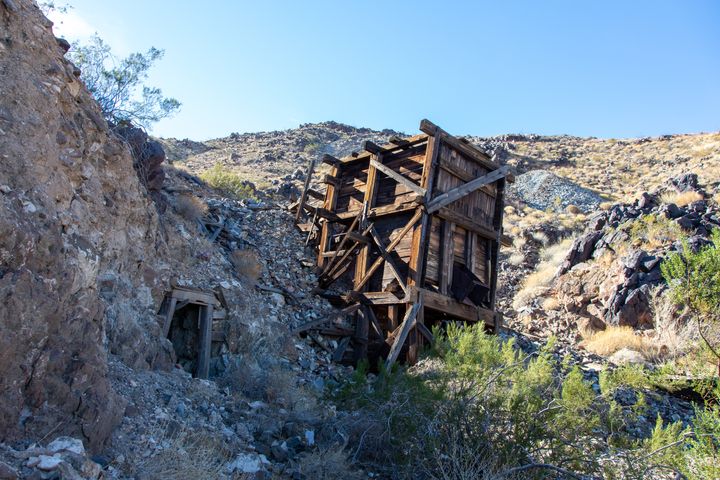
The Oakland Group of mines never produced much.
The mines were worked for gold from 1922 to 1934. A vertical shaft is reported to have gone down to at least 75 feet with drifts, and a separate incline shaft dropped to 85 feet. Water was encountered at these depths, and
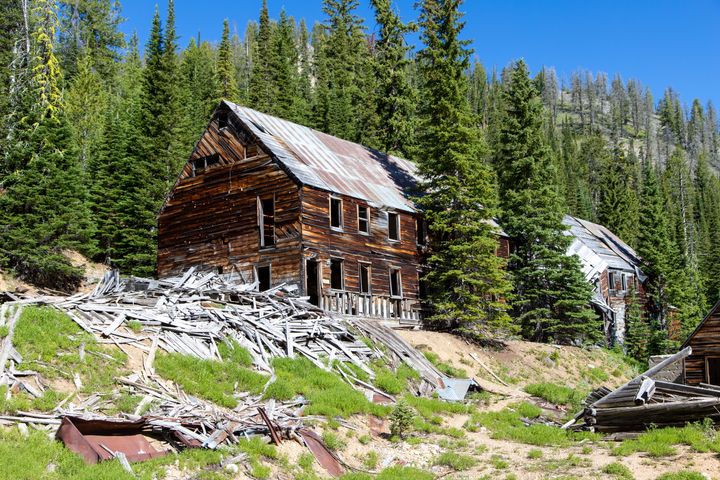
Hermes Mine and Cinnabar Camp
In 1942, while other mining camps slowly faded into obscurity, Cinnabar Camp was bustling with new construction: a three-story bunkhouse, a dozen cabins, and a mill rising from deep in the central Idaho mountains. This wasn't gold fever or silver dreams driving the activity. The United States needed
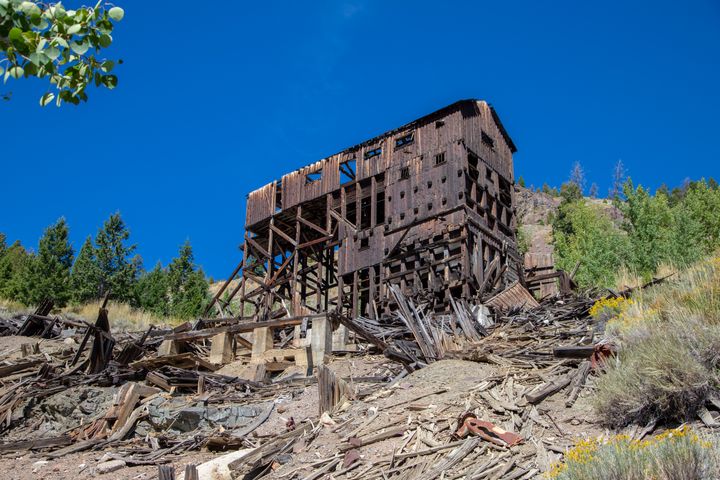
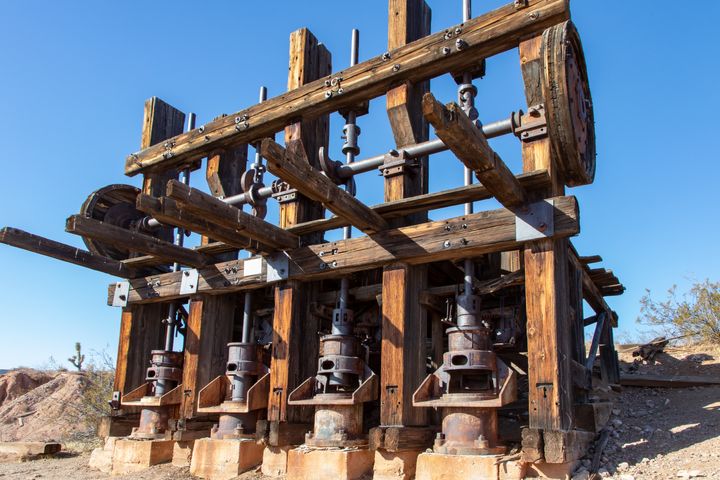
Livingston Mill
Two mills and a camp with 22 buildings. The Livingston is one of the most intact mining operations I've seen in Idaho, and it has a caretaker who lives on-site.
On the way in, we spotted the word "Trump" painted on one of the buildings. When
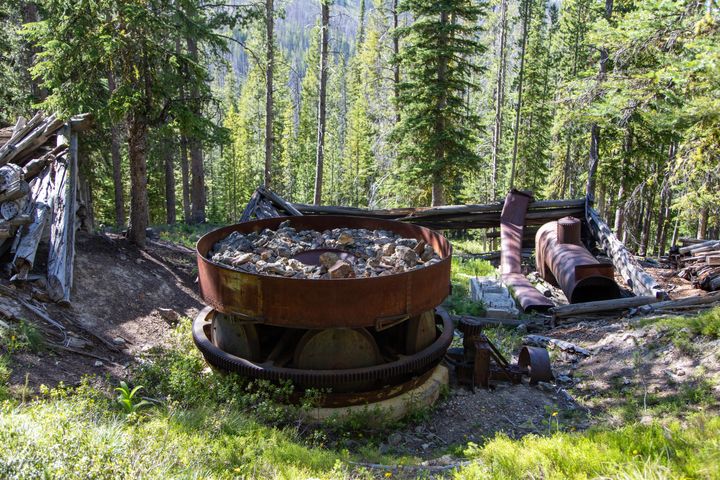
Hunting Grounds Mill
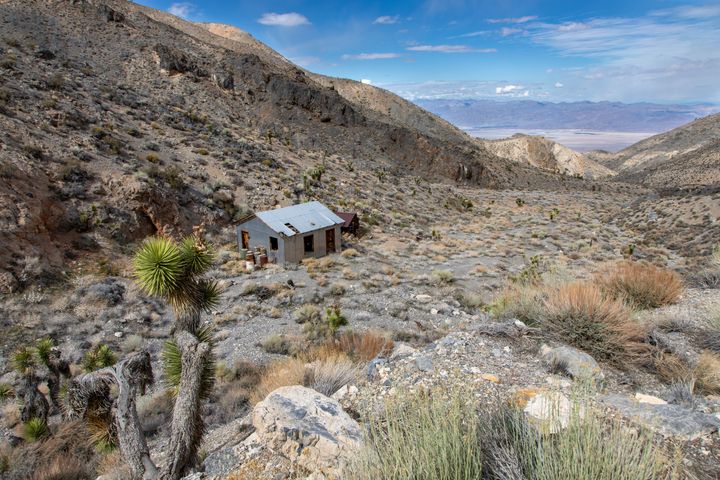
Lemoigne Mine
Jean François de Lamoignon (shortened to Jean or John Lemoigne) was a black-bearded Frenchman who differed from most of the other early Death Valley prospectors; he was a well-educated mining engineer. He came to Death Valley around 1879 to supervise the Eagle Borax Works. Unfortunately, by the time he had